

Understanding the impact of gambling on mental health a deep dive into the unseen effects
The Psychological Toll of Gambling
Gambling can profoundly affect an individual’s psychological state, often leading to emotional distress and mental health disorders. Many people view gambling as a form of entertainment; however, for some, it can spiral into an uncontrollable addiction. This addiction not only alters a person’s behavior but also leads to feelings of anxiety, depression, and isolation. For those looking for a place to enjoy their gaming, Casinacho casino offers a secure option that prioritizes user safety. The excitement of gambling can temporarily mask these feelings, but the eventual reality often exacerbates mental health issues.
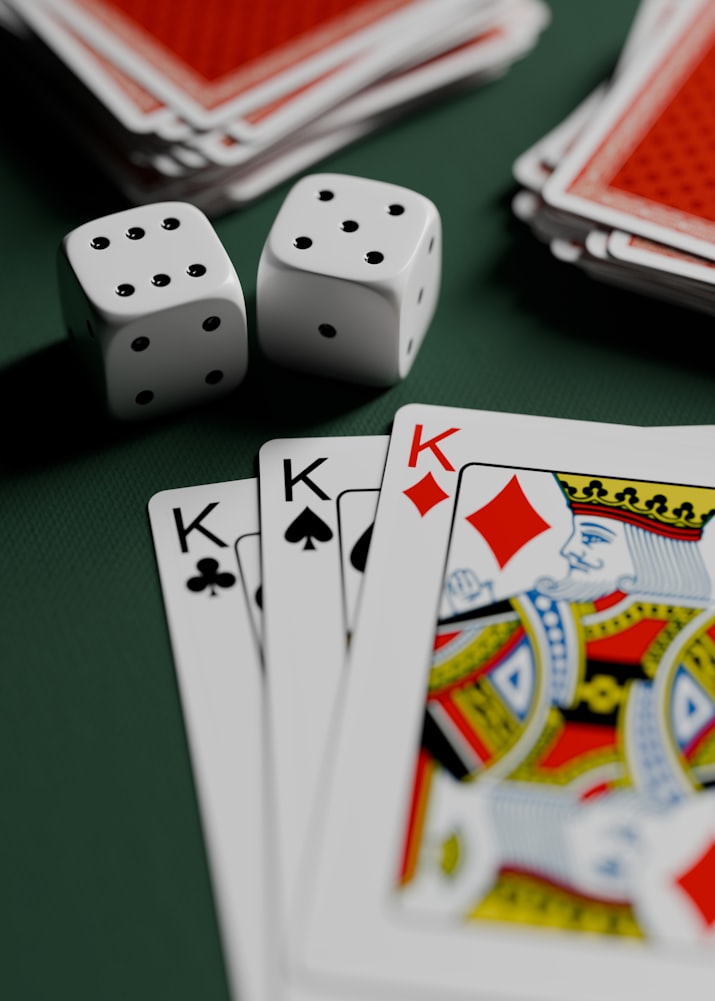
Studies have shown that individuals who engage in excessive gambling are at a higher risk of developing mental health disorders such as depression and anxiety. These individuals may find themselves trapped in a cycle of chasing losses, which can lead to further financial and emotional distress. As they attempt to recover their losses, the stress only compounds, creating a feedback loop that affects their mental well-being and daily functioning.
Additionally, the stigma associated with gambling can lead to feelings of shame and guilt, further exacerbating mental health struggles. Many individuals suffering from gambling addiction may feel compelled to hide their behavior from friends and family, resulting in a lack of support. This secrecy can lead to a deterioration of relationships and increased loneliness, which are significant contributors to poor mental health.
The Link Between Gambling and Stress
Gambling is often linked with heightened levels of stress due to financial pressures and the unpredictable nature of betting outcomes. The anticipation of winning can create a temporary rush of adrenaline, but this is typically followed by the stress of potential loss. This dynamic can be especially harmful for individuals already struggling with anxiety or stress-related disorders, as the additional pressure may push them further into mental turmoil.
The financial ramifications of gambling can also create significant stress. Many individuals may find themselves in dire financial situations due to their gambling habits, leading to additional stressors such as debt, bankruptcy, or even homelessness. This financial strain can exacerbate existing mental health conditions or create new ones, resulting in a dangerous cycle that is difficult to break.
Moreover, the relationship between gambling and stress is often underreported. Many individuals may not recognize how their gambling habits are contributing to their stress levels or may downplay its impact. Understanding this relationship is critical, as awareness can lead to better coping strategies and resources for those struggling with both gambling and stress-related mental health issues.
The Impact on Relationships
Gambling does not only affect the individual but also has far-reaching consequences on personal relationships. Partners, family members, and friends of individuals struggling with gambling addiction often bear the brunt of emotional turmoil. Trust issues arise as gamblers may hide their activities or lie about their spending, leading to conflicts and eroded relationships.
Families often find themselves financially strained due to the gambling behavior of one member, causing resentment and frustration among loved ones. Children in these families may experience emotional neglect or instability, which can have long-lasting effects on their mental health and well-being. The emotional fallout from gambling can lead to families breaking apart, with lasting implications for everyone involved.
Moreover, the isolation that often accompanies gambling addiction can further diminish social connections. Individuals may withdraw from their support systems due to shame or guilt, leading to loneliness and further deterioration of their mental health. Understanding the ripple effect of gambling on relationships is crucial for fostering a supportive environment that can aid recovery and healing.
Pathways to Recovery
Recognizing the impact of gambling on mental health is the first step toward recovery. Individuals affected by gambling addiction can benefit from various treatment options, including therapy, support groups, and counseling. Cognitive Behavioral Therapy (CBT) has proven effective for many, helping individuals reframe their thoughts around gambling and develop healthier coping mechanisms.
Support groups, such as Gamblers Anonymous, can provide a community of understanding, allowing individuals to share their experiences and challenges. These groups foster an environment of accountability and support, which can be invaluable in recovery. Having a network of like-minded individuals can help mitigate feelings of isolation and shame, making the road to recovery more manageable.
Education and awareness about the risks associated with gambling are crucial for prevention. Public health campaigns can play a significant role in informing individuals about the potential dangers and available resources. By increasing awareness, individuals may be better equipped to recognize the signs of gambling addiction and seek help before it escalates into more severe mental health issues.

Your Safety and Support
At our online platform, we prioritize the safety and mental well-being of our users. We provide resources aimed at educating individuals about the risks of gambling and offering support for those struggling with addiction. Understanding the unseen effects of gambling is essential to fostering a healthier environment for all users, and we are committed to promoting mental health awareness.
Our advanced security measures ensure that your personal information is protected while you explore our resources. We recognize that mental health is a critical aspect of your overall well-being, and we aim to create a safe space for individuals seeking information and support related to gambling and its effects. By prioritizing mental health, we hope to empower individuals to make informed decisions and seek help when needed.
0 Comments